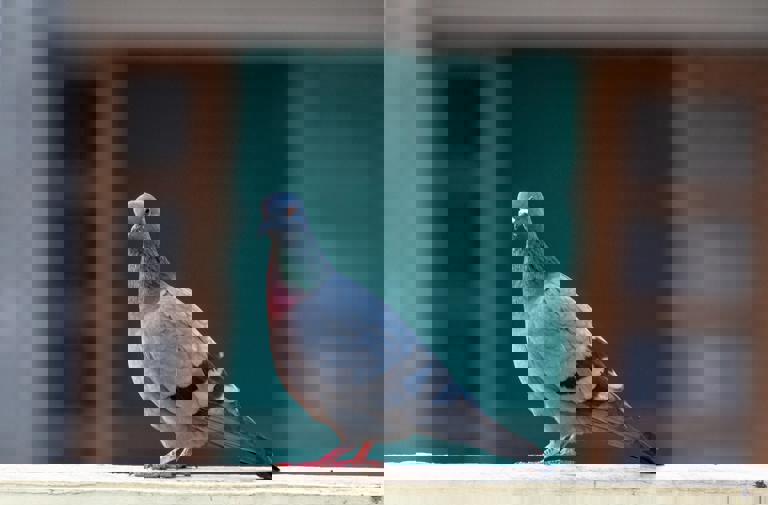
Bird enthusiasts and city residents alike are abuzz this week after northern saw-whet owls were discovered nesting on the balcony of a downtown high-rise, a phenomenon believed to be unprecedented in a metropolitan environment. The discovery was made by a local tenant, who noticed the tiny raptors quietly settling in among potted plants on the fourteenth floor. The presence of these elusive birds has sparked fascination and a flurry of activity within the urban bird-watching community.
The northern saw-whet owl is one of North America's smallest and most secretive owl species, typically preferring dense forests and wooded areas far from the bustle of city life. Experts say it is extremely rare for these owls to adapt to urban settings, let alone establish a nest in such a high and exposed location. "We’re stunned by this adaptation," commented Dr. Amelia Grant, an ornithologist with the national bird observatory.
Shortly after the first sighting, word spread through social media and birdwatching forums, leading to groups of binocular-equipped observers gathering at the foot of the high-rise. The building’s residents have reported an unusual amount of foot traffic and excited onlookers hoping to catch a glimpse. Many are eager to witness the unusual and intimate habits of a species that is usually heard rather than seen.
Conservation organizations have also taken an active interest in the nesting pair. Representatives from Urban Wildlife Initiative (UWI) visited the site to assess the habitat and gather data on the owls’ behaviors. "Nesting in an urban high-rise opens new questions about the species' ability to adapt to changing environments," explained UWI coordinator, Stephanie Lin. The group plans to monitor the site closely over the coming weeks.
Local authorities and the property management company are collaborating to ensure the safety of the owls as well as the residents. Signs have been posted urging visitors to remain quiet and to avoid disturbing the nest. Security staff have been retrained to educate curious passersby about the importance of respecting wildlife in an urban context. All parties are working together to strike a balance between education and preservation.
The nesting pair has already produced three eggs, which experts believe could hatch within the next fortnight. Such an event offers a unique research opportunity. Wildlife biologist Jason Patel highlighted, "Observing these owls so closely presents invaluable data. It provides insight into how species traditionally averse to urban settings may be responding to habitat loss and urban expansion." Patel is hopeful that this case could signal broader adaptive behaviors among raptors.
Residents of the building have expressed a mix of excitement and concern about their new neighbors. Many are proud to witness such a rare event, viewing it as a privilege to host wildlife on their balconies. However, some have voiced worries about potential noise or safety issues, particularly for small pets and children. The building’s condo board has issued guidance to reassure and educate all tenants about coexistence with urban wildlife.
Experts emphasize that this sighting could signal a growing trend of wildlife adaptation within metropolitan areas. As urban development continues to encroach on natural habitats, certain species may be finding creative alternatives for nesting and feeding. Dr. Grant noted, "The presence of these owls here may encourage us to rethink our city planning, potentially leading to more green spaces and wildlife-friendly designs in future projects."
Birdwatchers across the region have expressed hopes that the nesting will be successful and may even set a precedent for monitoring other high-rise habitats. Some conservationists are advocating for a formal citizen science initiative, encouraging residents to report unusual wildlife sightings. Such grassroots involvement could help establish more comprehensive data on how native species are adapting to life in densely populated cities.
Despite the excitement, experts warn against excessive human interaction with the nest. Disturbing the owls, especially during incubation and while chicks are young, could lead the parents to abandon the site. Conservation groups are advocating for responsible viewing practices and are working with local media to spread awareness about the importance of leaving wildlife undisturbed. Educational workshops are being planned to further inform the community.
As the nesting season progresses, city-dwellers and nature enthusiasts alike remain hopeful for a successful outcome. The unforeseen arrival of the northern saw-whet owls has not only delighted birdwatchers but also ignited discussions about urban biodiversity. No matter the outcome, this rare and captivating event serves as a poignant reminder of the unexpected ways wildlife continues to adapt and thrive, even amid the concrete sprawl of Canadian cities.