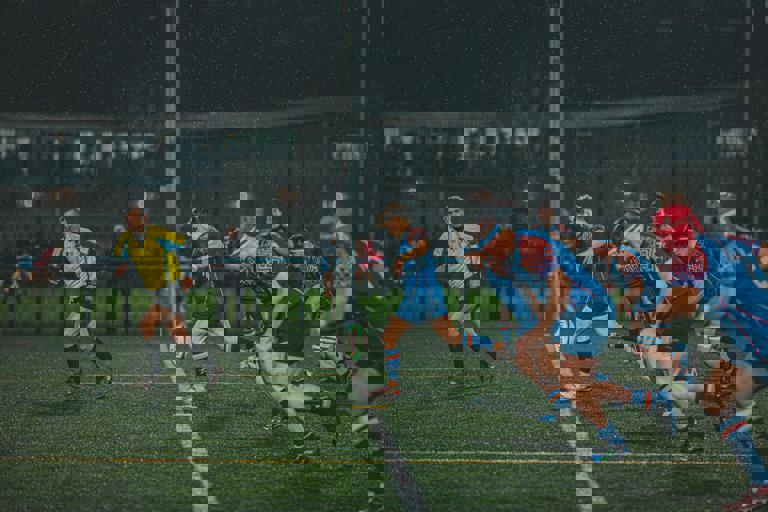
The annual triathlon, a much-anticipated event for both seasoned athletes and local spectators, faced unprecedented challenges this year as severe storms swept through the region mere hours before race time. With safety as their top priority, organizers were forced to implement a last-minute reroute of the course, a logistical feat that required swift coordination among officials, volunteers, and emergency responders. Competitors awoke to news of the sudden alteration, triggering a cascade of adjustments for all involved.
The decision to change the course was made at dawn after meteorological updates indicated escalating thunderstorm warnings. In a press briefing, race director Ashley Nguyen explained, “Our original swim and cycling routes passed through areas directly impacted by flooding and high winds. Athlete welfare comes first, so we had to act quickly to avoid potential dangers.” This proactive approach drew praise from participants, many of whom witnessed the worsening conditions firsthand.
Volunteers were critical to the new plan’s smooth execution. Hundreds were redeployed, often on foot or by shuttle, to help secure the newly mapped routes and provide guidance for incoming athletes. Jeff Robinson, head of route logistics, noted, “Our team showed remarkable adaptability, standing out in the rain to redirect traffic and answer questions. Without their tireless work, the triathlon simply couldn’t have gone on.” Their dedication earned applause from athletes and onlookers alike.
Athletes, known for their resilience under pressure, faced an additional layer of challenge as the new course layout introduced unfamiliar turns and longer stretches. Canadian triathlete Emily Tran commented, “The storm certainly made things unpredictable. You train for distance and transition, but not for reroutes at the eleventh hour!” Despite the disruption, most participants embraced the test of adaptability, transforming initial frustration into motivation to finish.
Spectators, too, had to adjust their expectations. Many arrived at traditional viewing points only to find barricades or safety warnings due to the weather. Organizers quickly mobilized online updates, live streams, and social media alerts to keep supporters informed and engaged despite the altered logistics. Families and fans gathered at alternative locations, cheering athletes on with as much enthusiasm as ever, undeterred by the conditions.
Statistically, the event saw a slight dip in completion rates, with race officials reporting a 12% increase in athlete withdrawals compared to previous years. Most of these were attributed to adverse weather effects or confusion related to the new route. However, for those who pressed on, finish times were largely in line with established averages, a testament to the determination and focus of the competitors even amidst chaos.
Medical teams remained on high alert throughout the event, anticipating weather-related incidents such as hypothermia and minor injuries from slips. Dr. Priya Murthy, the chief medical officer, reported, “We treated a handful of athletes for minor ailments, mostly related to the wet conditions. Fortunately, no serious accidents occurred, which speaks to both the preparedness of the staff and the athletes’ caution.” Post-race evaluations reflected gratitude for the extensive safety measures put in place.
Looking ahead, organizers say the extreme weather experience has prompted them to revisit their emergency protocols and risk management strategies. Plans are underway to enhance communication tools and route mapping capabilities for future events. As Nguyen remarked, “This year, we faced a true test of our contingency planning. We’ll take the lessons learned to ensure we’re even more prepared – come rain or shine.” Feedback from volunteers and athletes will play a key role in shaping these improvements.
In the aftermath of the storm, the triathlon concluded with a spirited awards ceremony, celebrating not just the fastest finishers, but also the collective perseverance of all involved. As medals were awarded, applause echoed for those who braved the weather and adapted on the fly. The event stood as a vivid reminder of the unpredictability of sport, and the enduring community spirit that enables such competitions to thrive no matter the forecast.